Who needs accessible information?
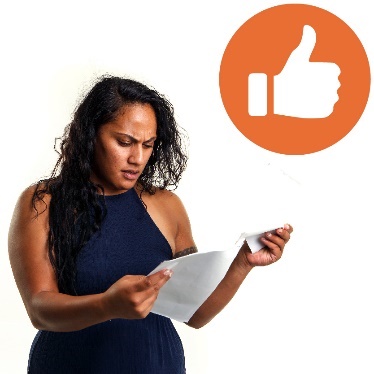
| Some people find it hard to read or use everyday information, like: | |
| | a form |
| | a phone bill |
| | the rules for using a credit card. |
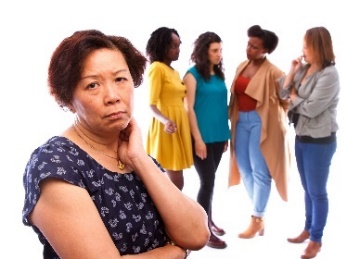
| | If you struggle to read, it can be hard to take part in our community. |
| | Accessible information is good for everyone. |
| | It helps people who find it hard to read. |
| | It helps people who are busy and don’t have a lot of time. |
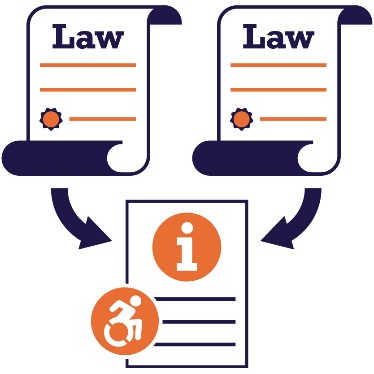
| | There are laws that say everyone should be able to get accessible information if they need it. |
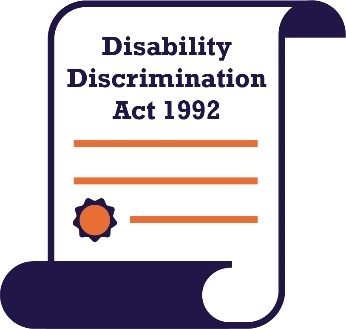
| | This includes a law called the Disability Discrimination Act 1992. |
| | This law explains how people with disability should be treated. |
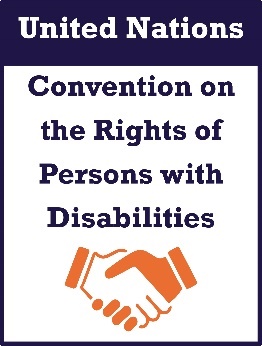
| | In Australia, we have also agreed to the United Nations Convention on the Rights of Persons with Disabilities (the UN Convention). |
| | The UN Convention sets out the rights of people with disability. |
| | It explains how people with disability should be treated fairly. |
| | Many countries around the world use it. |
| | We think that everyone should have access to information in a way that suits their needs. |


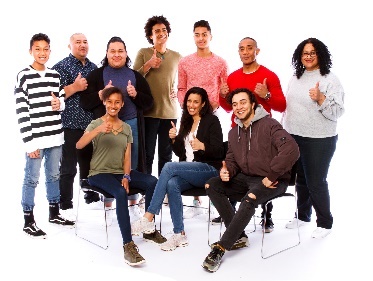
This will help more people to: | |
| | have a say about important ideas and issues |
| | understand their rights and choices |
| | learn and take part in education |
| | find a job |
| | stay healthy |
| | get support in an emergency |
| | take part in our community. |
Simple information can be used in: | |
| | government |
| | education |
| | health |
| | community life |
| | employment. |




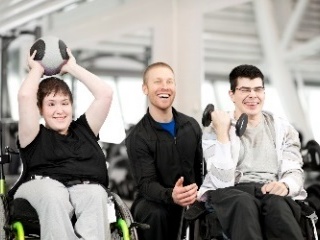



| And it can be used for everyone in our community, including: | |
| | people with disability |
| | people who speak languages other than English |
| | First Nations peoples |
| | people of all ages |
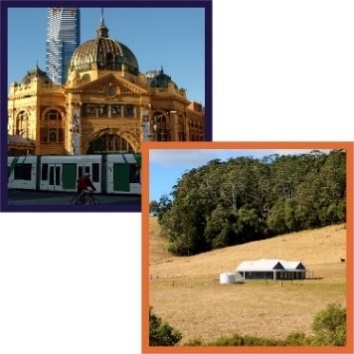
| | people who live in the city or the country. |